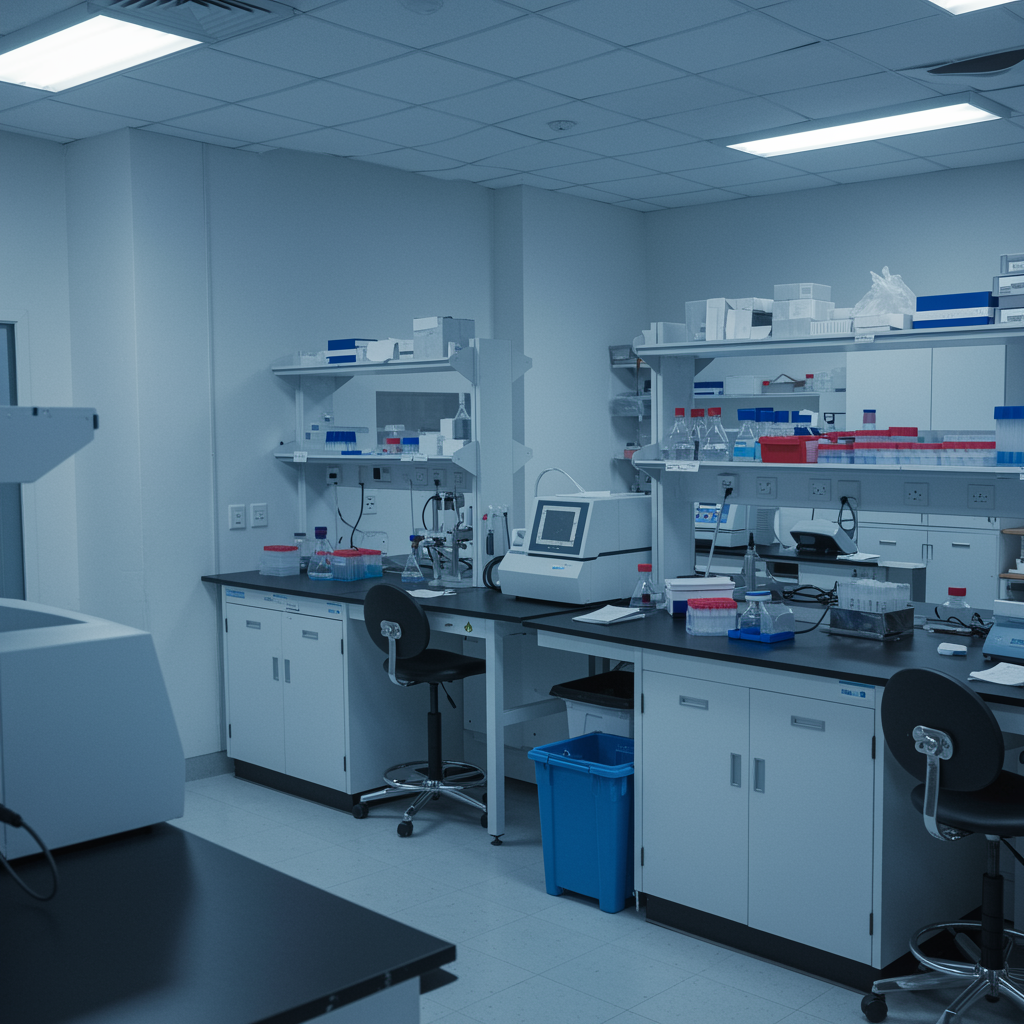

Informative article on how to maintain sterile work areas in laboratories, hygiene protocols, and the role of safety equipment.
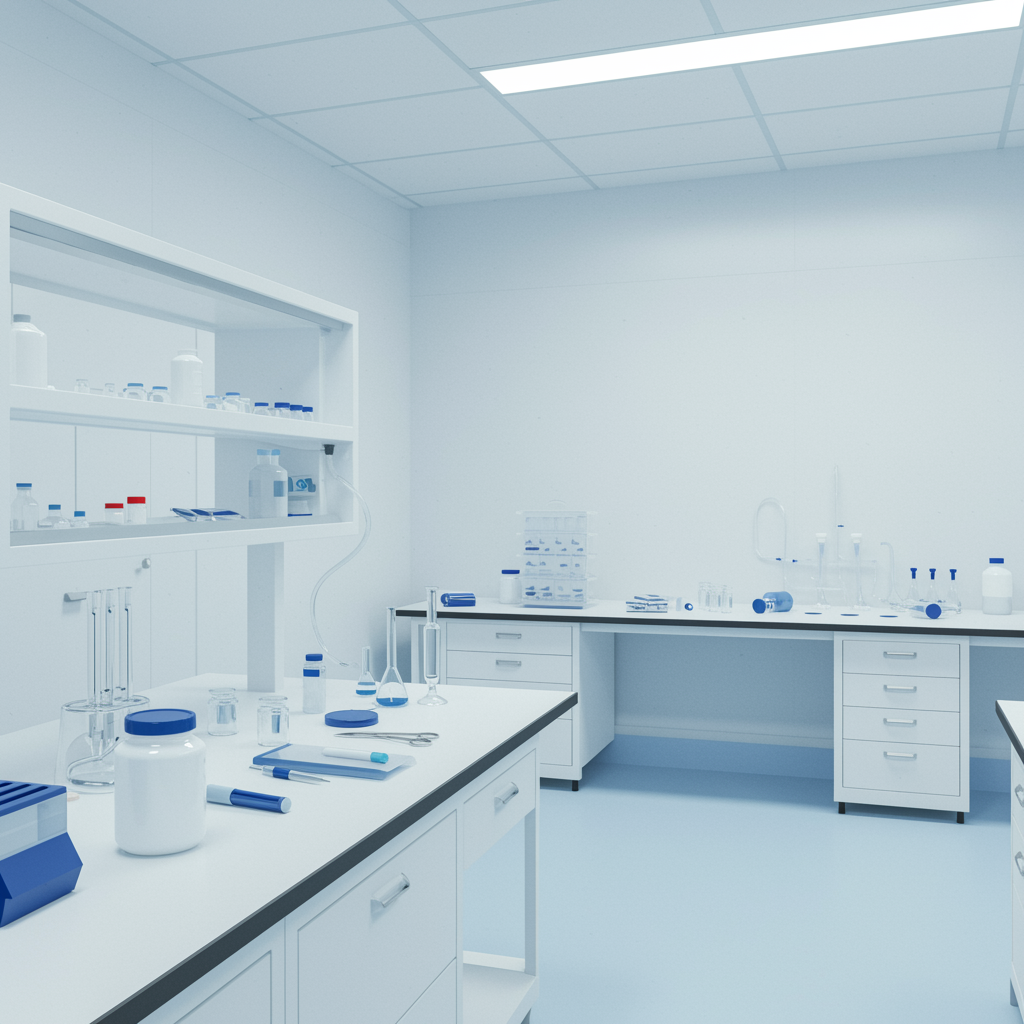
Laboratories are environments that require high precision in terms of the accuracy of analyses, personnel safety, and the reliability of results. Therefore, the complete implementation of hygiene and safety standards is not just a procedure, but a fundamental requirement for the sustainability of laboratory activities.
Impact of Hygiene on Laboratory Results
Inadequate hygiene practices in the laboratory environment can lead to cross-contamination, erroneous analysis results, and serious safety risks. Especially in microbiological and biotechnological studies, maintaining environmental hygiene directly affects the validity of the results.
Correct cleaning and sterilization practices ensure the accuracy and repeatability of analysis processes.
Importance of Safety Standards
Laboratory safety is not limited to biological risks. Chemicals, pressurized systems, and sensitive equipment can pose serious hazards if used uncontrolled. Therefore;
Correct use of personal protective equipment,
Risk assessment-based working procedures,
Availability of emergency plans,
Regular equipment control and verification processes
are among the basic elements of laboratory safety.
Compliance with Standards and Verification Processes
International standards (ISO, GLP, etc.) clearly define how hygiene and safety should be ensured in laboratory environments. Compliance with these standards not only meets legal requirements but also increases the scientific and operational reliability of the institution.
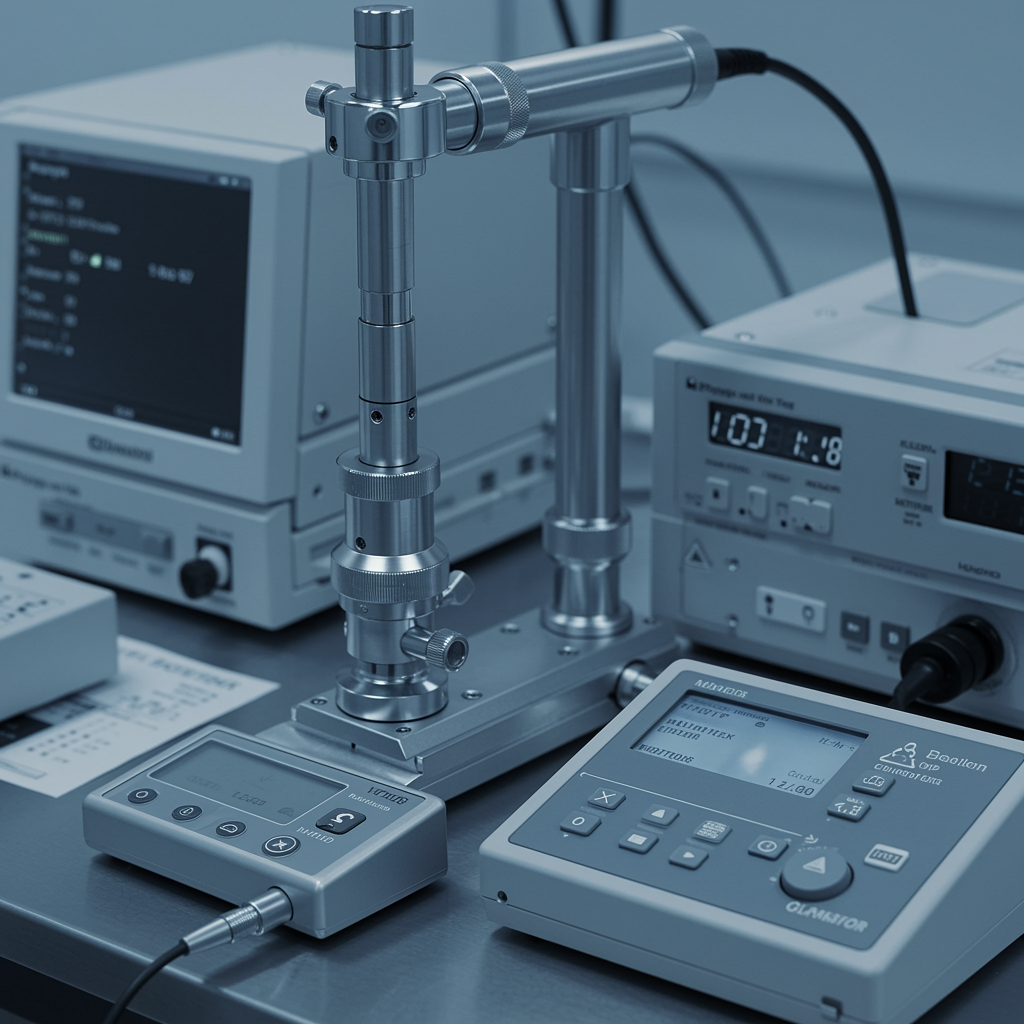
At this point, verification processes are the most important tool proving the effectiveness of the hygiene and safety measures implemented. Regular verification ensures early detection of potential risks.
Reliable Laboratory Environments with TARI
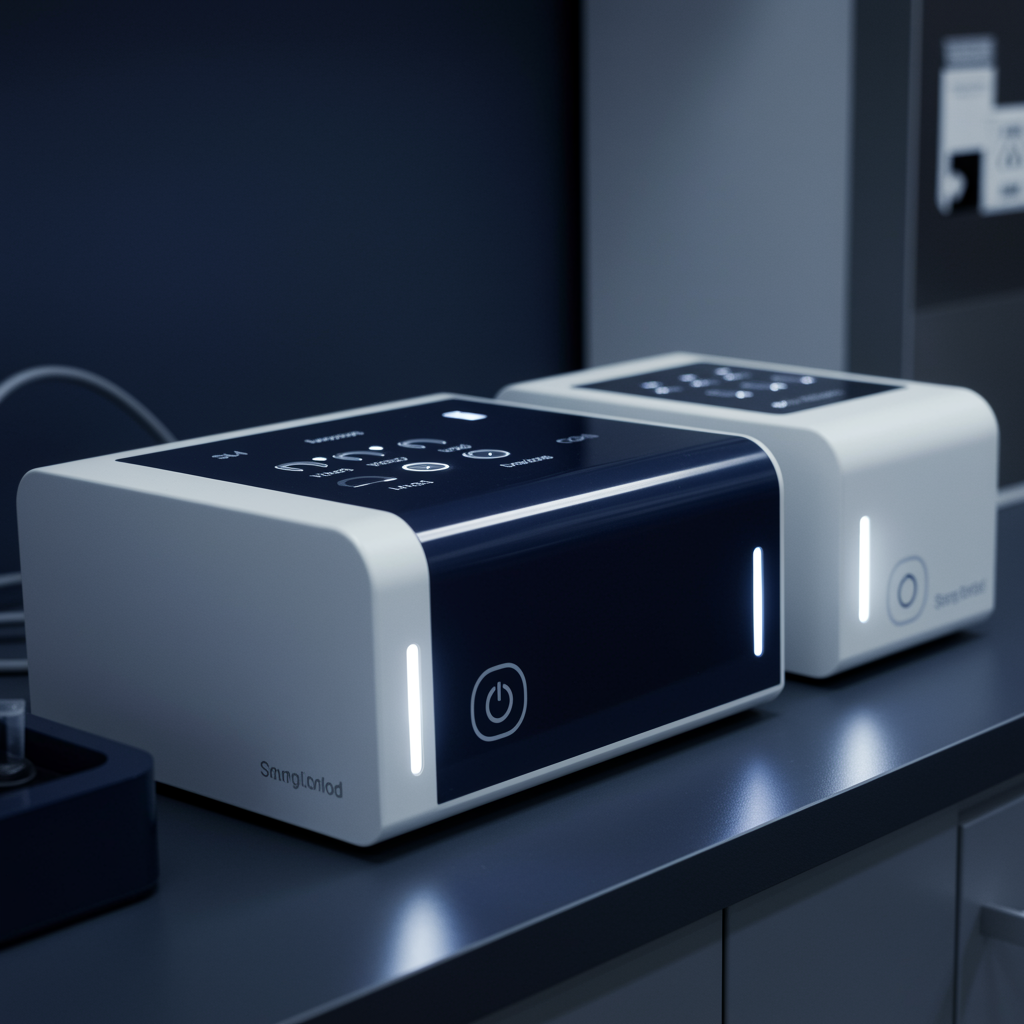
TARI contributes to the sustainable implementation of hygiene and safety standards with its highly reliable solutions in laboratory verification and sterilization processes. Products developed in accordance with international standards support accuracy, safety, and efficiency goals in healthcare services.
Conclusion
Hygiene and safety standards in the laboratory environment are an indispensable part of quality and reliable results. Laboratories supported by correct practices and effective verification processes maximize both employee safety and analysis accuracy.
TARI stands by laboratories as a reliable solution partner in these critical processes.