
Informative content explaining that sterilization is not limited to running a device, and that validation tests at every stage are critical for patient safety.

In healthcare, sterilization is a cornerstone of patient safety. However, implementing sterilization alone is not sufficient; the critical element is verifying that this process operates correctly, consistently, and in accordance with standards. This is where validation in sterilization processes plays a vital role.
The Unseen Risk of Sterilization
Sterilization processes may appear to be successfully completed from the outside. However, without proper validation methods, it is impossible to ensure that microorganisms have been completely eliminated. This increases the risk of infection and can lead to serious patient safety issues.
Verification ensures that sterilization works with measurable and verifiable data, rather than simply “assuming” it works. What Does Verification Guarantee?
In sterilization processes, verification guarantees:
That the process operates within the specified parameters (heat, pressure, time, etc.),
That each cycle is repeatable and reliable,
That full compliance with international standards and regulations is ensured,
That potential errors are detected at an early stage. In this way, healthcare organizations both increase patient safety and minimize operational risks.
The Importance of Compliance with International Standards
ISO and similar international standards clearly define how sterilization processes should be verified. Failure to perform verification in accordance with these standards can lead to non-conformities in audits and legal problems.
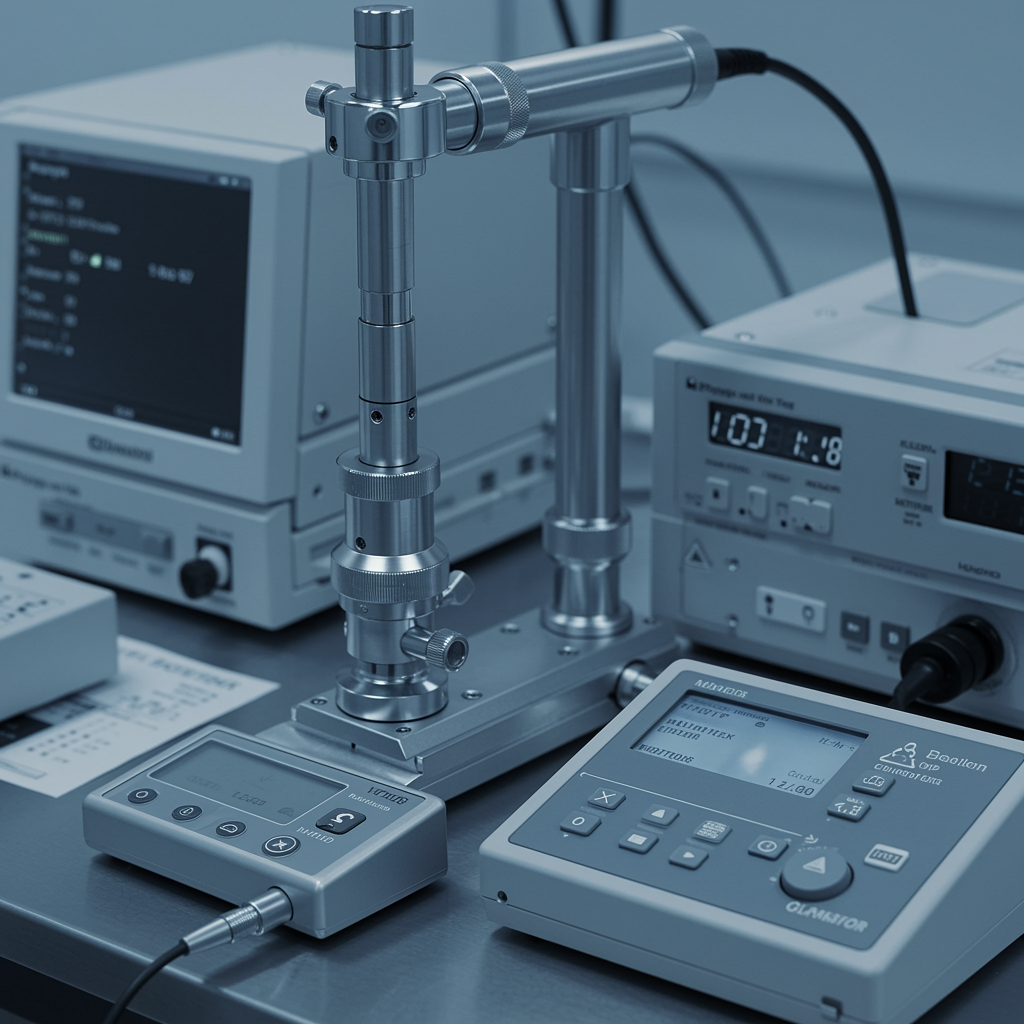
TARI supports healthcare organizations in achieving full compliance with these standards with its highly reliable solutions in the fields of sterilization processes and laboratory verification. All products are developed in accordance with international standards, aiming for accuracy, safety, and efficiency. Verification: Part of a Quality Culture
In sterilization processes, verification is not a one-time check; it is part of a sustainable quality culture. Regular validation efforts contribute to the continuous improvement of processes and the reduction of costs in the long term.
Conclusion
Verification in sterilization processes is not only a technical requirement; it is an indispensable element in terms of patient safety, legal compliance, and institutional credibility. Sterilization processes supported by accurate validation solutions ensure the maintenance of high-quality standards in healthcare services.
TARI is one of the biggest supporters of healthcare professionals with its reliable and standards-compliant solutions in this critical area.